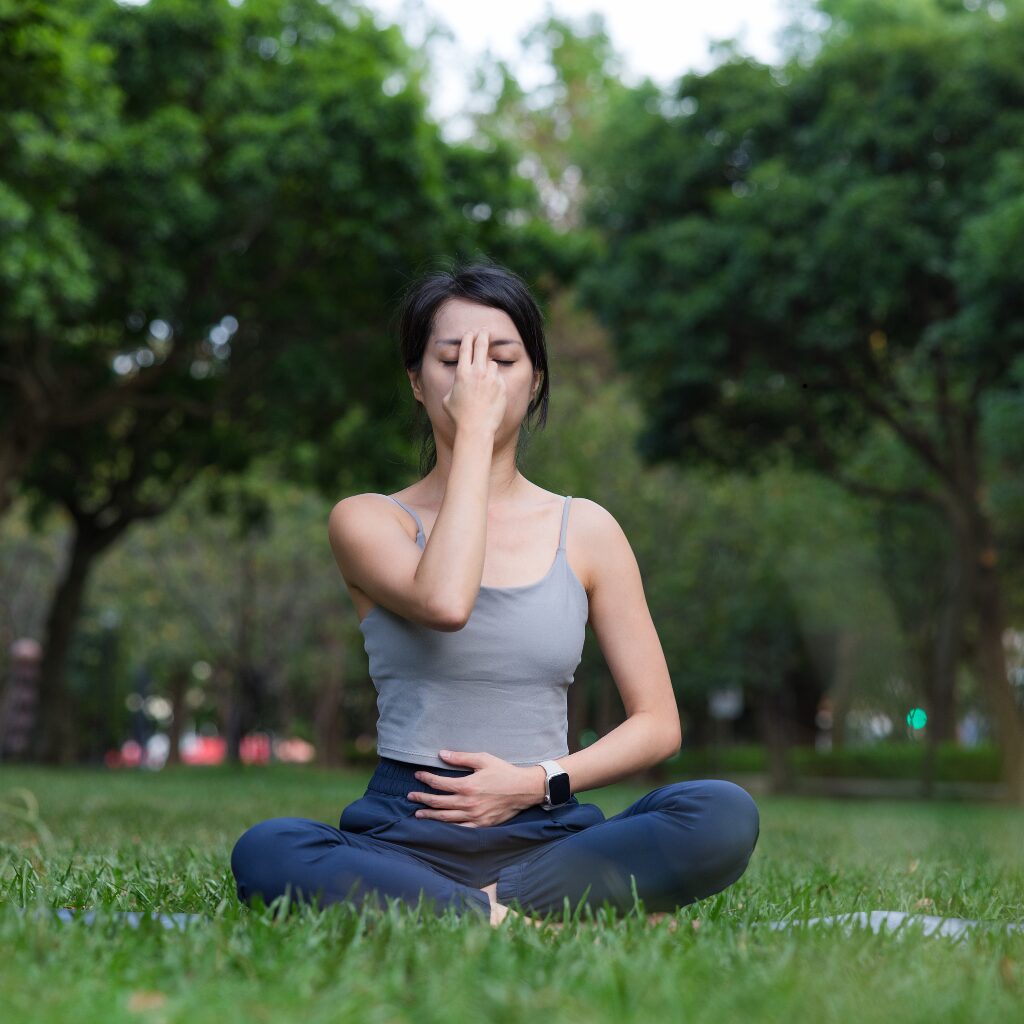
Art of Self Healing offers professional Pranayama breathing classes in Brampton designed to support stress relief, emotional balance, and improved mental clarity through guided breathwork practices. Each session is led by a certified instructor who helps participants learn proper breathing techniques in a calm and supportive environment. Our classes include six foundational pranayama methods suitable for beginners and experienced practitioners alike. Controlled breathing practices are widely recognized for helping reduce cortisol levels, support relaxation, and improve focus. Choose from in-person or online sessions and begin reconnecting with your breath through our 60-minute introductory class for just $35.
Pranayama is a traditional yogic breathing practice that focuses on consciously controlling the breath to improve physical, mental, and emotional well-being. Through guided inhalation, exhalation, and breath-holding techniques, pranayama helps regulate the flow of energy within the body while calming the nervous system. Some breathing patterns encourage deep relaxation and stress relief, while others increase alertness, concentration, and mental clarity. Regular pranayama practice can strengthen lung capacity, improve breath awareness, reduce emotional tension, and support a greater sense of balance in daily life. It is widely practised as an important part of yoga and mindfulness routines.
Pranayama offers a wide range of physical, mental, and emotional benefits, making it a key practice for overall well-being:
Fill out this form or Text on 416-887-9162 to Book an Appointment.
Fill out this form or Text on 416-887-9162 to Book an Appointment.
Balances airflow through both nostrils, calming the nervous system, improving focus, and supporting mental clarity through controlled, rhythmic breathing patterns.
Uses active exhalations to energize the body, improve digestion, stimulate metabolism, and clear mental fog through rhythmic abdominal breathing.
Involves powerful inhalations and exhalations to increase oxygen flow, boost energy levels, and enhance lung capacity and circulation.
Creates a gentle throat sound to slow breathing, build internal heat, improve concentration, and support emotional stability during practice.
Cooling breathing methods that help lower body heat, reduce irritability, and promote calmness during stress or warm conditions.
Encourages complete lung expansion using the diaphragm, improving oxygen intake, reducing tension, and supporting relaxed, efficient breathing.
In addition to these practices, we offer many more pranayama and breathing techniques and Osho meditation carefully selected and customized based on each individual’s unique needs, health condition, and goals—ensuring a truly personalized and transformative experience.
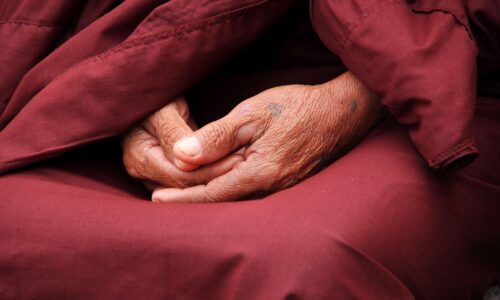
Pranayama breathing is a core practice of pranayama yoga that focuses on conscious, controlled breathing to support emotional balance, mental clarity, and physical stability. These yogic breathing practices help regulate the nervous system, improve oxygen flow, and maintain steady energy throughout the body. Through guided pranayama practice, breathing becomes deeper and more rhythmic, helping reduce stress, calm anxious thoughts, and ease mental fatigue. Regular pranayama yoga supports clearer thinking, improved focus, and a relaxed state of awareness, making pranayama breathing effective for managing daily stress and restoring inner balance.
These sessions provide direct guidance in a calm setting, allowing posture correction, breath observation, and immediate feedback. Practicing together supports consistency, builds confidence, and helps participants experience deeper awareness, controlled breathing, and gradual progress under professional supervision and long-term practice.
Online sessions offer structured instruction from home, making guided breathing accessible and flexible. Live guidance ensures proper technique, routine development, and continuity of practice, supporting stress management, focus, and energy balance without travel while maintaining professional interaction and accountability standards.
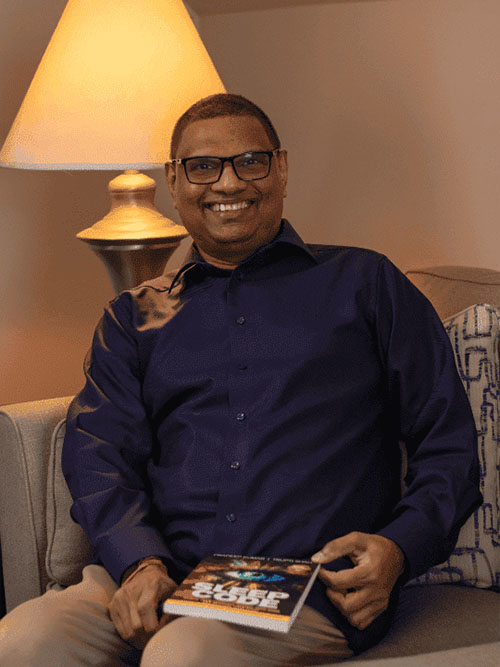
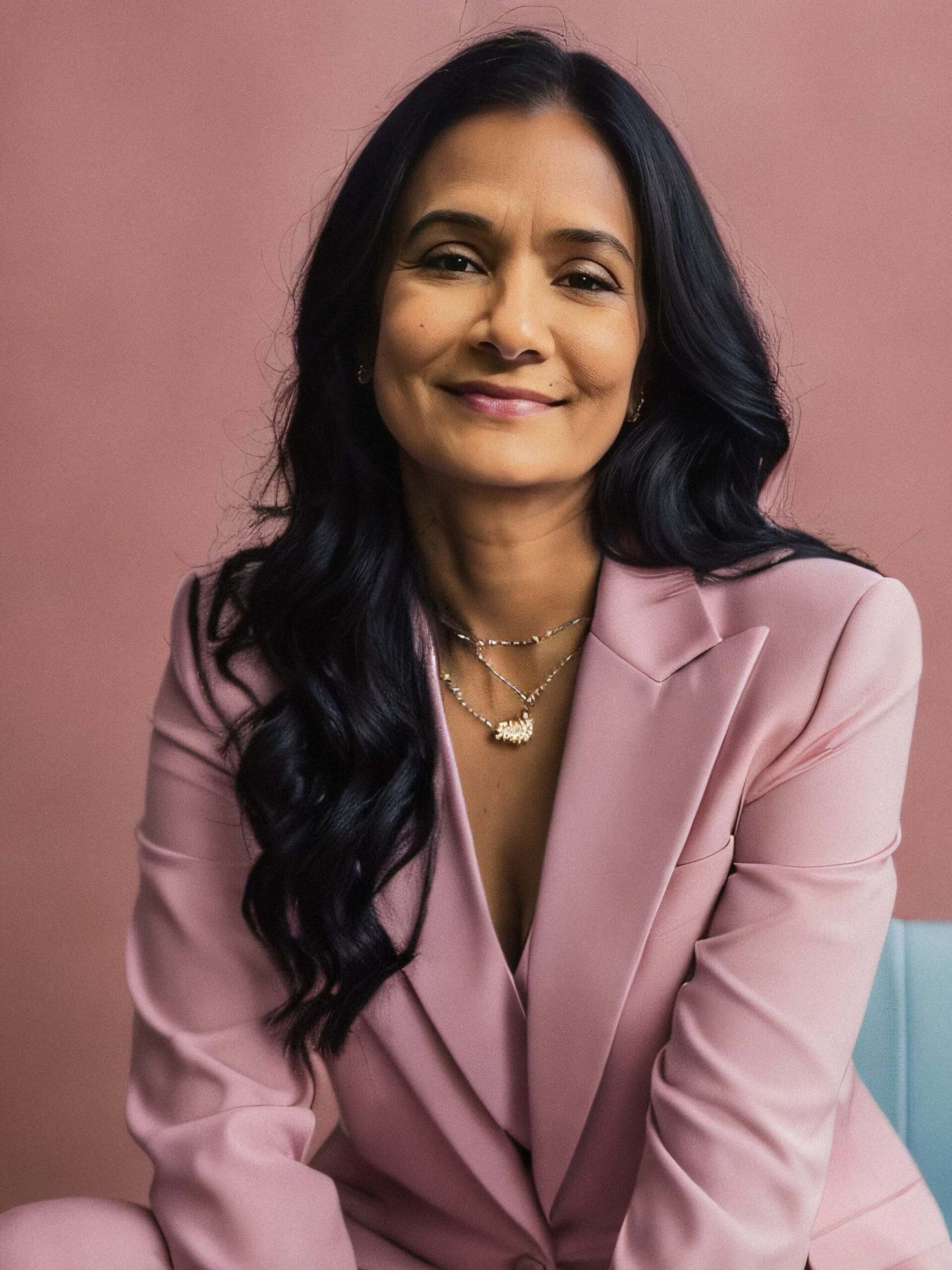
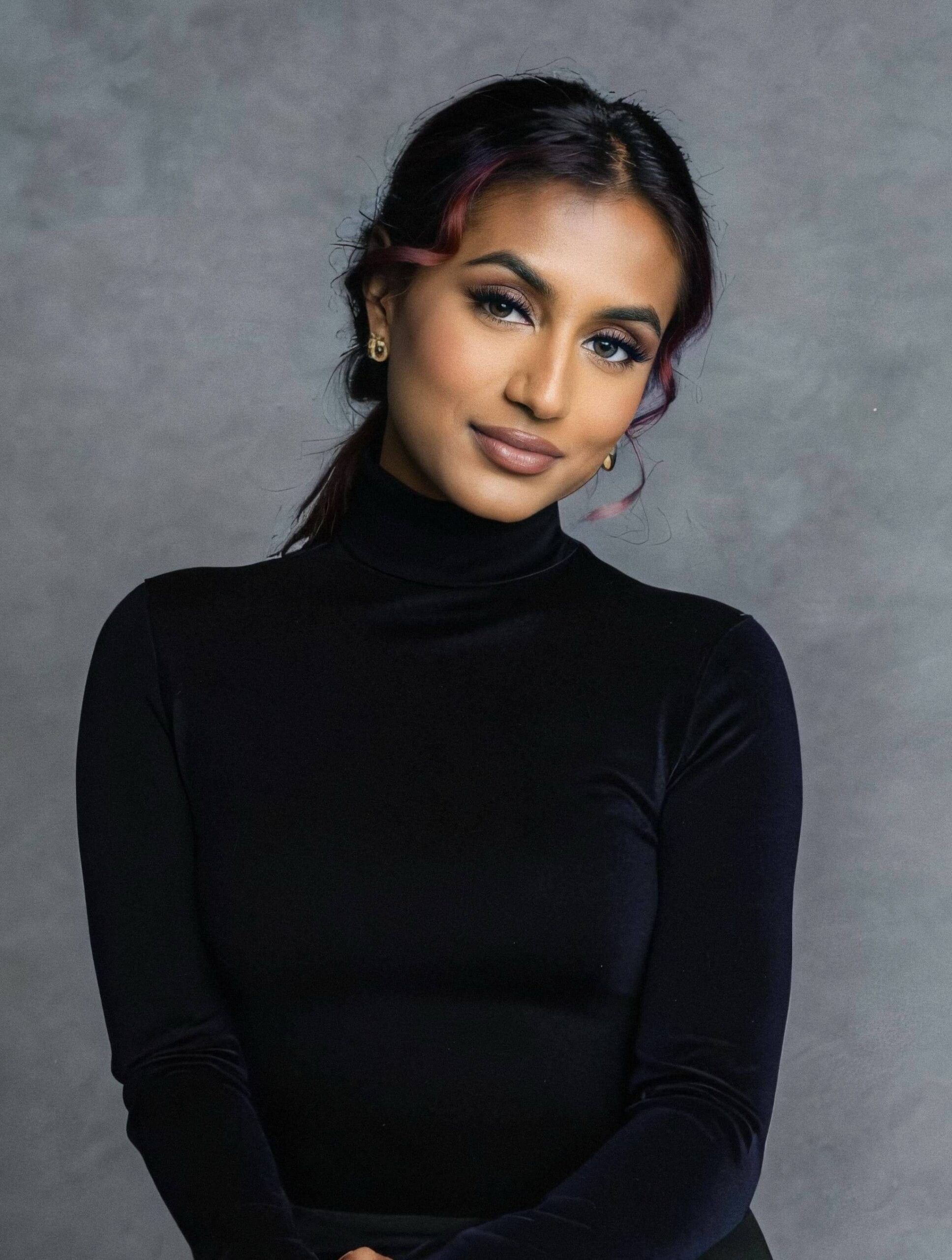
At Art of Self Healing, your sessions are guided by a Certified Pranayama & Yoga Instructor dedicated to helping students build healthier breathing patterns and achieve greater emotional balance. With experience in traditional breathwork practices, meditation, and yoga instruction, each class is designed to foster a supportive, calming learning environment for all experience levels. The instructor focuses on proper breathing techniques, posture, and mindful awareness to help participants experience the full benefits of pranayama practice. Whether you are new to breathwork or continuing your wellness journey, you will receive patient guidance, clear instruction, and personalized support throughout every session.
A calm, structured approach ensures every session with our team is guided with care, clarity, and attention to individual comfort. Breathing has been shown to influence focus, emotional balance, and physical relaxation when practised correctly and consistently. The instruction emphasises awareness of posture, timing, and the full breathing process, helping you understand how the body responds to intentional breath control. Techniques may involve learning to close the right or left nostril to support balance and regulation. Equal importance is given to smooth exhaling and inhaling, allowing the breath to flow without strain. Sessions are designed to feel supportive rather than overwhelming, encouraging steady progress and confidence. This thoughtful guidance helps transform breath work into a practical, sustainable practice that supports long-term well-being and inner stability.
Yes, when practised consistently under guidance. Slow breathing techniques like Anulom Vilom and deep diaphragmatic breathing activate the parasympathetic nervous system, reducing the stress responses that elevate blood pressure. Always consult your doctor before starting if you have a diagnosed cardiovascular condition.